
Should You Wait for Lower Interest Rates Before Buying a Home?
If you’re thinking about buying a home in Southern California, you’ve probably asked yourself one question more than any other:
“Should I wait for mortgage rates to come down?”
It’s a fair question, and one we hear almost every day at The Mother & Son Real Estate Team.
Many buyers are pressing pause because they’re hoping interest rates will drop significantly. While that may seem like the safest strategy, waiting could actually cost you more in the long run.
Let’s look at three important reasons why buying a home now may be a smarter move than waiting on the sidelines.
1. Mortgage Rates Aren’t Expected To Fall in a Meaningful Way
One of the biggest misconceptions in today’s housing market is that mortgage rates are about to return to the incredibly low levels we saw a few years ago.
While no one has a crystal ball, most economists and housing experts aren’t expecting that to happen.
Yes, mortgage rates may move down modestly over time. Rates change daily based on economic conditions and investor confidence. But a dramatic drop back into the 2% or 3% range isn’t something most experts believe is likely anytime soon.
Even if rates improve by half a percent, the savings on a monthly payment may be smaller than many buyers expect. Meanwhile, home prices could continue appreciating, meaning you could end up paying more for the exact same property six months or a year from now.
There’s another consideration many buyers overlook.
If mortgage rates fall significantly, thousands of buyers who have been waiting will likely jump back into the market. That means more competition, more bidding wars, and fewer opportunities to negotiate favorable terms.
Today’s market often gives buyers more room to negotiate repairs, credits, or even purchase price. Those advantages can disappear quickly when competition heats up.
And remember, if rates eventually decline, homeowners often have the option to refinance into a lower rate later. You may be able to change your interest rate in the future, but you can’t go back and buy today’s home at today’s price.
2. Inflation Is Still Elevated – And That’s Working Against Lower Rates
To understand why mortgage rates haven’t fallen much, it helps to understand inflation.
Inflation is simply the rate at which the prices of everyday goods and services increase over time.
The Federal Reserve, often called “the Fed,” works to keep inflation under control. When inflation remains higher than its target, the Fed generally keeps borrowing costs higher in an effort to slow spending and bring inflation back down.
Although the Fed doesn’t directly set mortgage rates, its policies have a major influence on financial markets. Investors respond to inflation data and Fed decisions, and those reactions affect mortgage rates.
As long as inflation remains above the Fed’s comfort level, mortgage rates are less likely to experience the kind of sharp decline many buyers are hoping for.
That’s why waiting solely for much lower rates could mean waiting much longer than expected.
3. Today’s Rates Aren’t High. They’re “Normal.”
It’s understandable why today’s mortgage rates feel expensive.
After all, many buyers remember the historically low rates available during 2020 and 2021.
The important thing to remember is those rates weren’t normal.
They were the result of extraordinary economic circumstances and emergency actions taken during the pandemic. Those conditions were never expected to last forever.
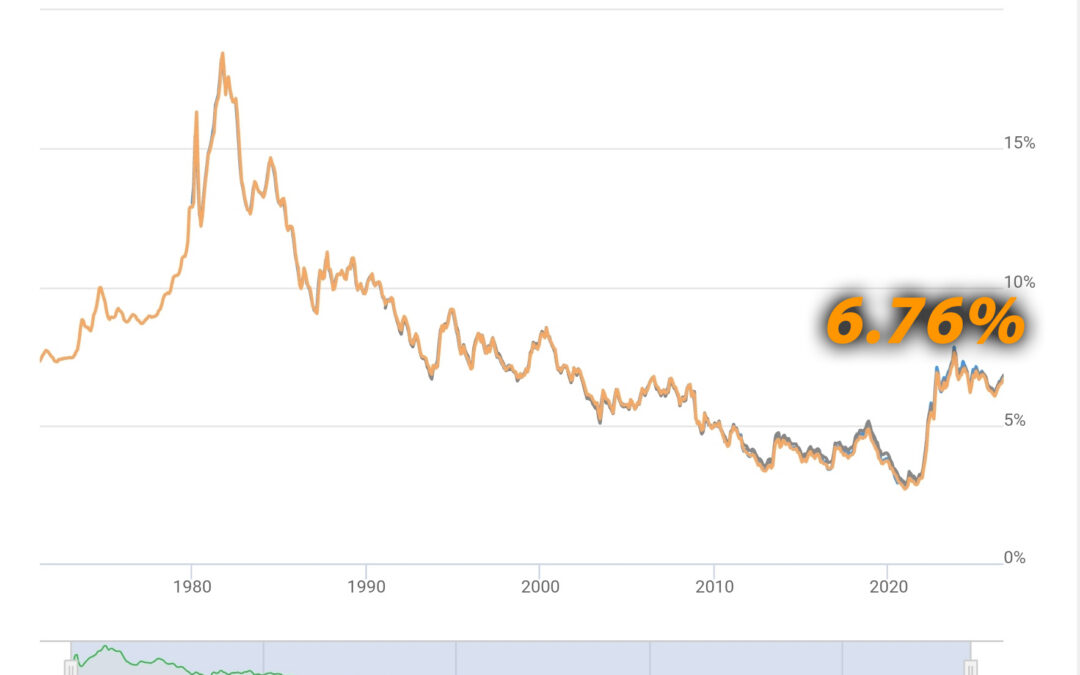
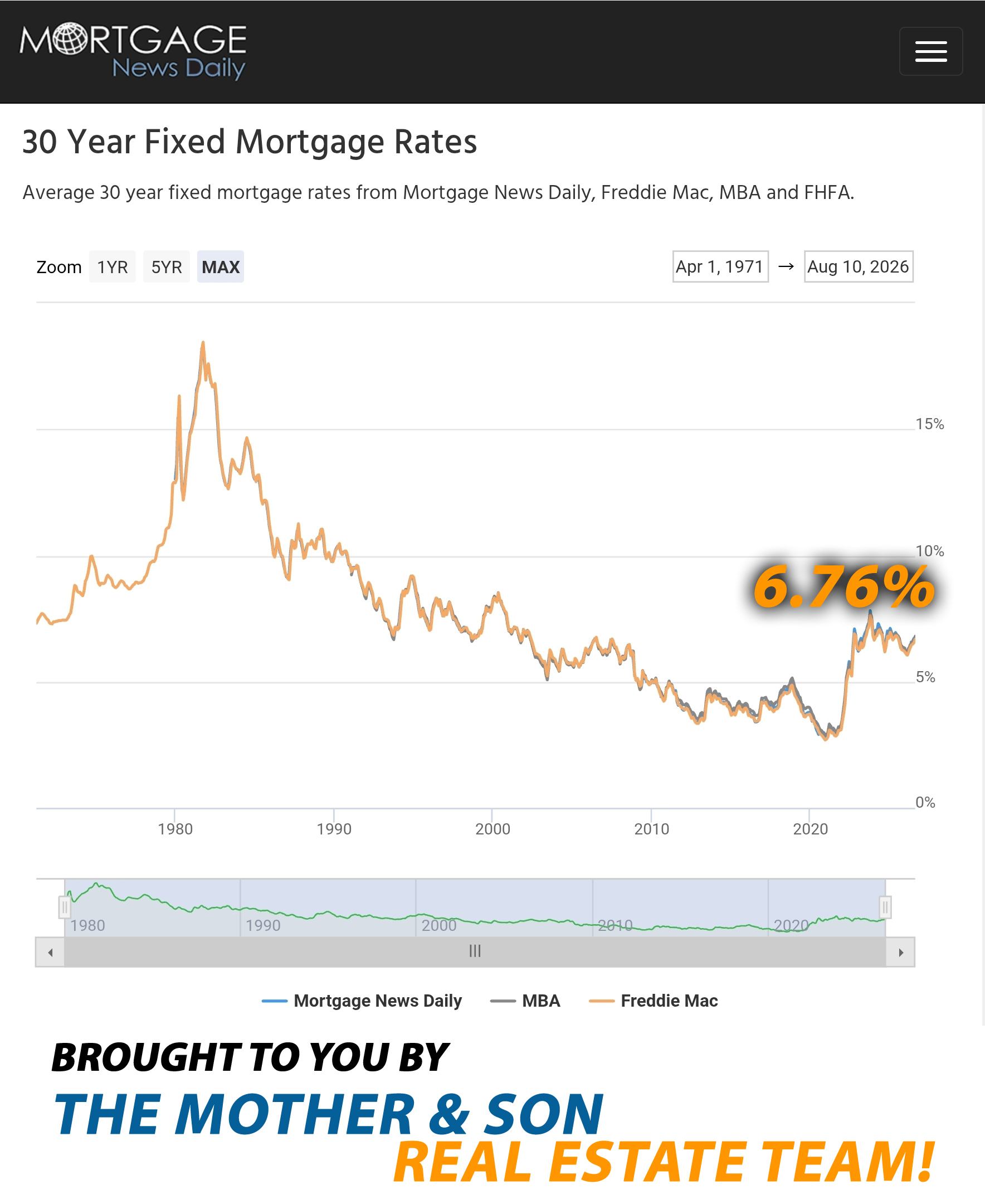
If you zoom out and look at mortgage rates over the past several decades, today’s rates are actually much closer to historical averages than many people realize.
For generations of homeowners, buying a home with mortgage rates similar to today’s was completely normal. They still built wealth, gained equity, and benefited from long-term homeownership.
Instead of comparing today’s market to a once-in-a-generation period of unusually low rates, it’s more helpful to compare it to the broader history of home financing.
That perspective often changes the conversation.
The Bottom Line
Trying to perfectly time the housing market is incredibly difficult.
No one consistently predicts exactly where mortgage rates or home prices will go next.
What you can control is buying when you’re financially prepared and when the right home becomes available.
If the monthly payment comfortably fits your budget, waiting for a rate that may never arrive could actually cost you more through higher home prices, increased competition, and lost opportunities.
At The Mother & Son Real Estate Team, we’ve helped buyers successfully purchase homes in every type of market. Whether rates were high, low, or somewhere in between, one thing has remained consistent: people who buy when they’re financially ready begin building equity sooner and start enjoying the benefits of homeownership sooner.
If you’re wondering whether now is the right time to buy a home in Orange County, Los Angeles County, or anywhere in Southern California, we’d be happy to walk you through your options. Every buyer’s situation is different, and sometimes a simple conversation is all it takes to build a plan that makes sense for your goals.
Don’t let headlines make your decision for you. Make your decision based on your finances, your future, and the opportunities available today.
The Mother & Son Real Estate Team is here to help every step of the way.
Should You Wait for Lower Interest Rates Before Buying a Home?
If you’re thinking about buying a home in Southern California, you’ve probably asked yourself one question more than any other:
“Should I wait for mortgage rates to come down?”
It’s a fair question, and one we hear almost every day at The Mother & Son Real Estate Team.
Many buyers are pressing pause because they’re hoping interest rates will drop significantly. While that may seem like the safest strategy, waiting could actually cost you more in the long run.
Let’s look at three important reasons why buying a home now may be a smarter move than waiting on the sidelines.
1. Mortgage Rates Aren’t Expected To Fall in a Meaningful Way
One of the biggest misconceptions in today’s housing market is that mortgage rates are about to return to the incredibly low levels we saw a few years ago.
While no one has a crystal ball, most economists and housing experts aren’t expecting that to happen.
Yes, mortgage rates may move down modestly over time. Rates change daily based on economic conditions and investor confidence. But a dramatic drop back into the 2% or 3% range isn’t something most experts believe is likely anytime soon.
Even if rates improve by half a percent, the savings on a monthly payment may be smaller than many buyers expect. Meanwhile, home prices could continue appreciating, meaning you could end up paying more for the exact same property six months or a year from now.
There’s another consideration many buyers overlook.
If mortgage rates fall significantly, thousands of buyers who have been waiting will likely jump back into the market. That means more competition, more bidding wars, and fewer opportunities to negotiate favorable terms.
Today’s market often gives buyers more room to negotiate repairs, credits, or even purchase price. Those advantages can disappear quickly when competition heats up.
And remember, if rates eventually decline, homeowners often have the option to refinance into a lower rate later. You may be able to change your interest rate in the future, but you can’t go back and buy today’s home at today’s price.
2. Inflation Is Still Elevated – And That’s Working Against Lower Rates
To understand why mortgage rates haven’t fallen much, it helps to understand inflation.
Inflation is simply the rate at which the prices of everyday goods and services increase over time.
The Federal Reserve, often called “the Fed,” works to keep inflation under control. When inflation remains higher than its target, the Fed generally keeps borrowing costs higher in an effort to slow spending and bring inflation back down.
Although the Fed doesn’t directly set mortgage rates, its policies have a major influence on financial markets. Investors respond to inflation data and Fed decisions, and those reactions affect mortgage rates.
As long as inflation remains above the Fed’s comfort level, mortgage rates are less likely to experience the kind of sharp decline many buyers are hoping for.
That’s why waiting solely for much lower rates could mean waiting much longer than expected.
3. Today’s Rates Aren’t High. They’re “Normal.”
It’s understandable why today’s mortgage rates feel expensive.
After all, many buyers remember the historically low rates available during 2020 and 2021.
The important thing to remember is those rates weren’t normal.
They were the result of extraordinary economic circumstances and emergency actions taken during the pandemic. Those conditions were never expected to last forever.
If you zoom out and look at mortgage rates over the past several decades, today’s rates are actually much closer to historical averages than many people realize.
For generations of homeowners, buying a home with mortgage rates similar to today’s was completely normal. They still built wealth, gained equity, and benefited from long-term homeownership.
Instead of comparing today’s market to a once-in-a-generation period of unusually low rates, it’s more helpful to compare it to the broader history of home financing.
That perspective often changes the conversation.
The Bottom Line
Trying to perfectly time the housing market is incredibly difficult.
No one consistently predicts exactly where mortgage rates or home prices will go next.
What you can control is buying when you’re financially prepared and when the right home becomes available.
If the monthly payment comfortably fits your budget, waiting for a rate that may never arrive could actually cost you more through higher home prices, increased competition, and lost opportunities.
At The Mother & Son Real Estate Team, we’ve helped buyers successfully purchase homes in every type of market. Whether rates were high, low, or somewhere in between, one thing has remained consistent: people who buy when they’re financially ready begin building equity sooner and start enjoying the benefits of homeownership sooner.
If you’re wondering whether now is the right time to buy a home in Orange County, Los Angeles County, or anywhere in Southern California, we’d be happy to walk you through your options. Every buyer’s situation is different, and sometimes a simple conversation is all it takes to build a plan that makes sense for your goals.
Don’t let headlines make your decision for you. Make your decision based on your finances, your future, and the opportunities available today.
The Mother & Son Real Estate Team is here to help every step of the way.